
Walk into any New Zealand supermarket and you'll see labels like "Extra Low", "Club Deal", or "Special" everywhere. These labels are designed to help shoppers identify good value quickly - but do they really mean the price is low? The short answer: sometimes, but not aways A price can only be considered genuinely low when it is compared against prices at nearby supermarkets. Without that context, labels alone don't tell the full story.
What supermarket price labels actually mean?
Most supermarket pricing labels are internal comparisions, not market-wide ones. In practice, labels such as:
- Extra Low
- Club Deal
- Low Everday Price
- Special
- lower than that store's usual price, or
- discounted for members or a limited time, or
- cheaper than a selected internal benchmark
- the item is cheaper than the same product at a competing supermarket nearby
- the price is competitive across your suburb or city
Why labels feel convincing (even when prices aren't)
Price labels work because they provide anchoring
- A label signals "this is a good deal"
- Shoppers spend less time checking alternatives
- Trust replaces verification
The role of location in supermarket pricing
In New Zealand, grocery pricingis highly location-dependent. The same product can vary significantly base on:
- suburb
- store brand
- competitive presure in the area
- store-specific pricing strategies
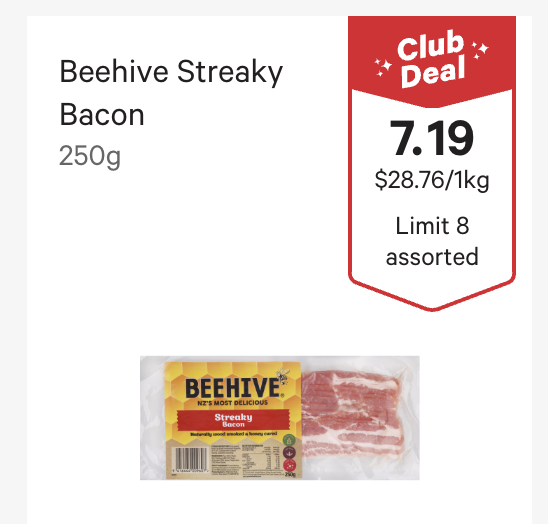
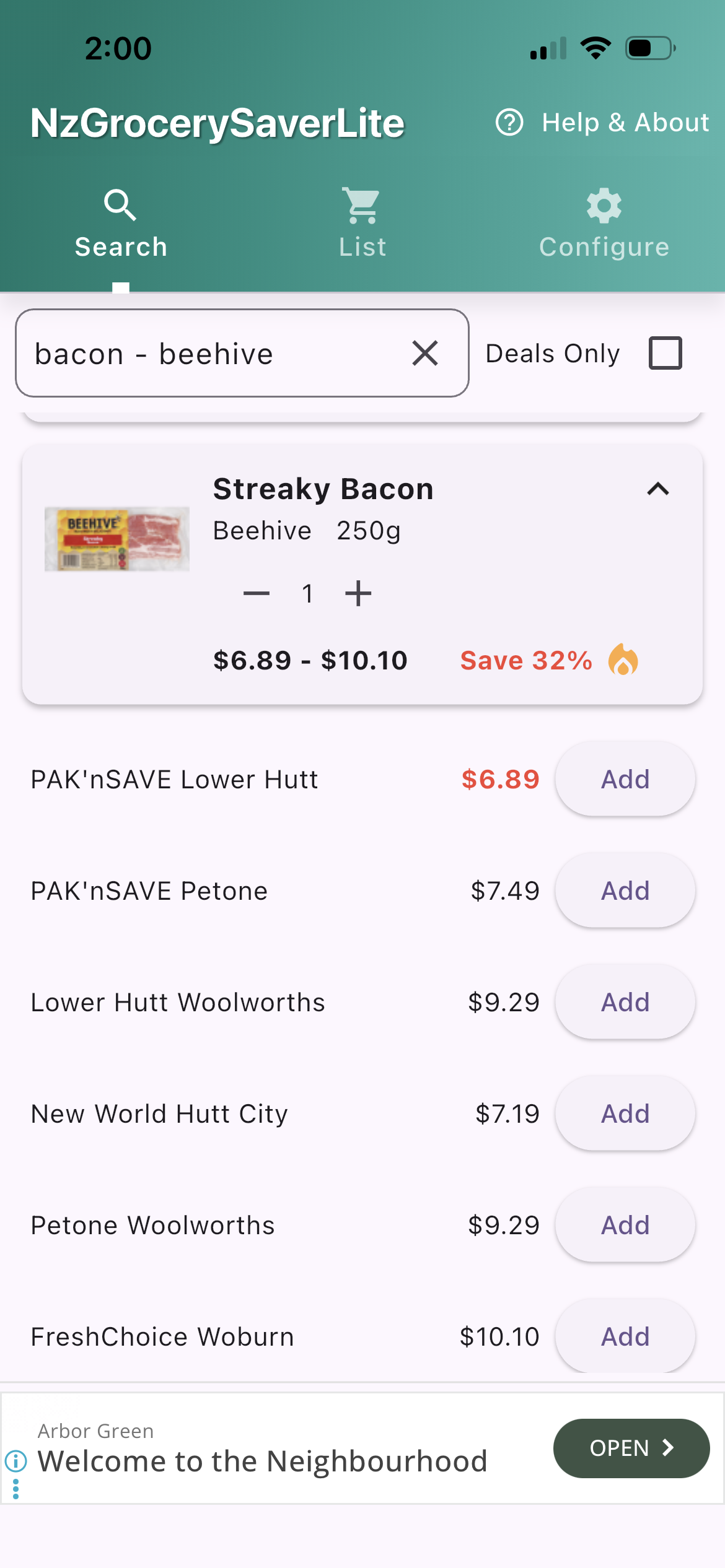
A "Club Deal" at one supermarket can still be 20% more expensive than the same product at another store just a few kilometers away
When is a price actually "low"?
From a consumer perspective, a price is only meaningfully low when it meets all of the following conditions:
- Same product (brand, size, format)
- Same time period
- Same local area
- Cheapest (or close to cheapest) among nearby supermarkets
Why comparison matters more than labels
Supermarkets operate independently. Each store:
- sets its own pricing
- chooses which items to promote
- applies labels base on internal rules
- shoppers may overpay without realising
- loyalty discounts may reduce prices, but not enough
- "specials" may still be above local averages
A Smarter Way to Shop
Rather than ignoring supermarkets labels altogether, a more balanced approach is to:
- Treat "Extra Low" and "Club Deal" as signals, not proof of value.
- Compare prices across nearly supermarkets before deciding
- Restore context around marketing labels
- Improve decision-making with clear data
- Decide what "value" really means for their weekly shop
Final thoughts
Supermarket labels aren't meaningless - but they're not definitive. A price isn't truly low just because a label says so. It's low because it beats the alternatives nearby. With NzGrocerySaver, you can identify those genuine savings, giving you more control over your weekly grocery spending and helping your budget stretch further.